
Documentary vs. Posed Family Photography: What’s the Difference?
Documentary vs. Posed Family Photography: What’s the Difference?
When you begin looking for a photographer, one of the first questions you might run into into is this:
Should we choose documentary family photography or traditional (posed) family portraits?
At first glance, some difference are obvious - one is candid, the other is posed. But in practice, the distinction is more nuanced. Understanding how these two approaches differ (and how they can overlap) can help you choose the type of photography that best fits your family, your children, and the way you want to remember this season of life.
As a Washington DC family photographer working at the intersection of documentary and fine art photography, I help families navigate this decision. Here’s a clear, honest breakdown of the differences, and some tips to help decide what’s right for you.
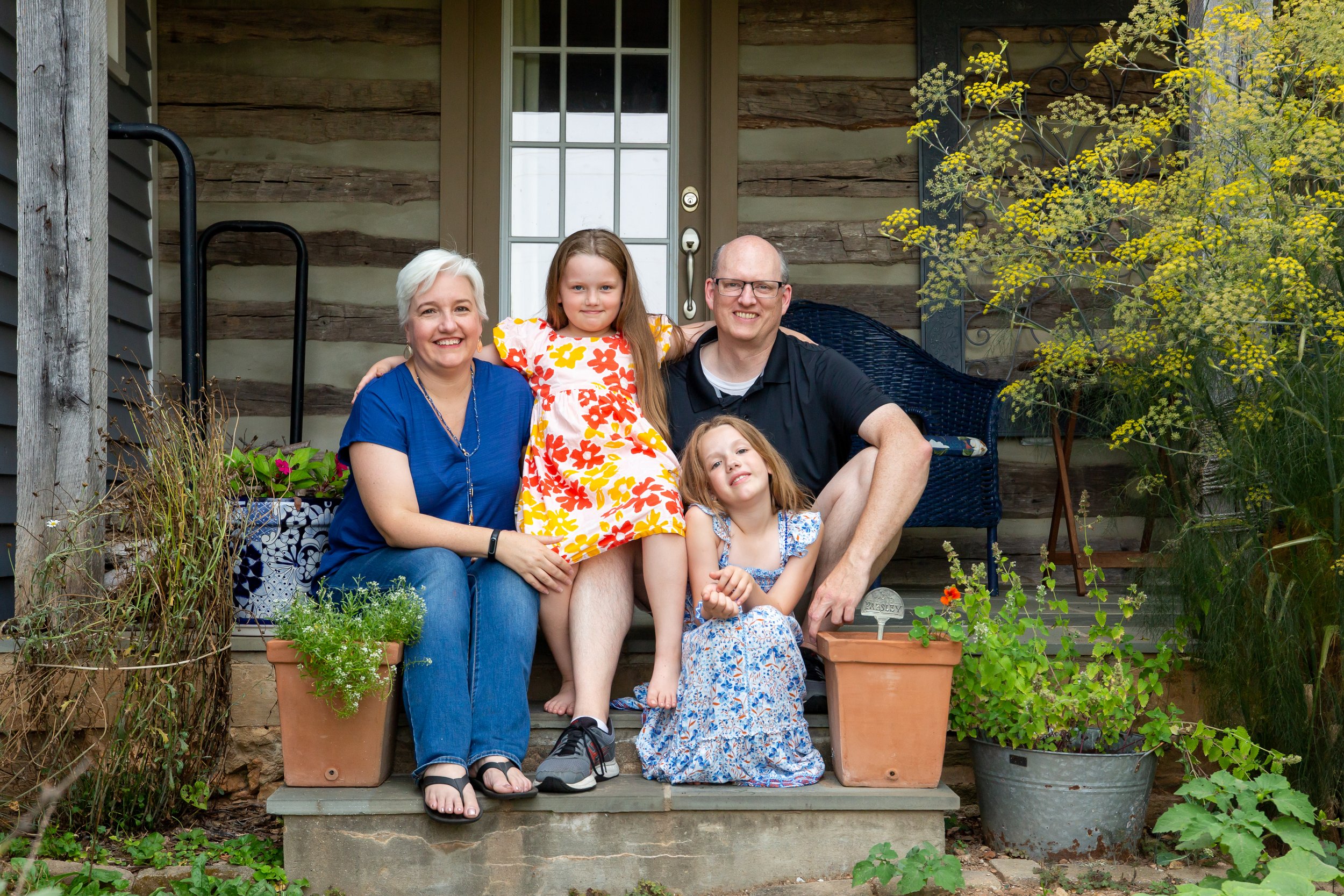
Here’s a traditional posed family portrait, made during a longer documentary session.
What Is Posed Family Photography?
Posed family photography is what most people picture when they think of “family photos.”
In a posed session:
The photographer directs where you stand or sit
Everyone is guided to look at the camera
Attention is given to posture, expressions, and coordination
The goal is a classic portrait - the style might be casual or elegant, but the portrait is traditional
Posed photography excels at creating:
Frame-worthy family portraits
Holiday card images
Gifts for grandparents
Timeless images with everyone smiling at the camera
These sessions are typically efficient and structured, which can be helpful for families who want a specific outcome or have limited time. I use a traditional, posed approach with all my mini sessions because it’s ideal for a short session with a predictably pleasing outcome. My twenty years experience photographing families makes these sessions fast, easy, and satisfying.
When posed photography works best
You want a traditional family portrait
You’re creating images for holiday cards or formal displays
Your family is comfortable taking direction
You value consistency and polish a little more than spontaneity and surprises
What Is Documentary Family Photography?
Documentary family photography takes a very different approach.
Instead of directing every moment, the photographer observes and photographs your family as life unfolds naturally. The focus is on real interactions, real emotions, and real moments, rather than performance.
In a documentary session:
You don’t need to look at the camera
Children are free to move, play, and be themselves
Moments unfold organically in whatever space you choose
The photographer responds rather than directs
The result is a collection of images that tell a story—your story—as it actually happened. My years of experience photographing families has honed my skills so that I can create engaging, funny, warm, emotionally rich photos in real life and real time. It keeps me on my toes and is never the same twice.
What documentary photography captures
Quiet moments and in-between gestures
The way your children move, play, and connect
Emotional nuance and personality
Everyday life that might otherwise go undocumented and unappreciated
For many families, documentary photography creates images that feel deeply personal and emotionally resonant—photographs that become more meaningful with time.
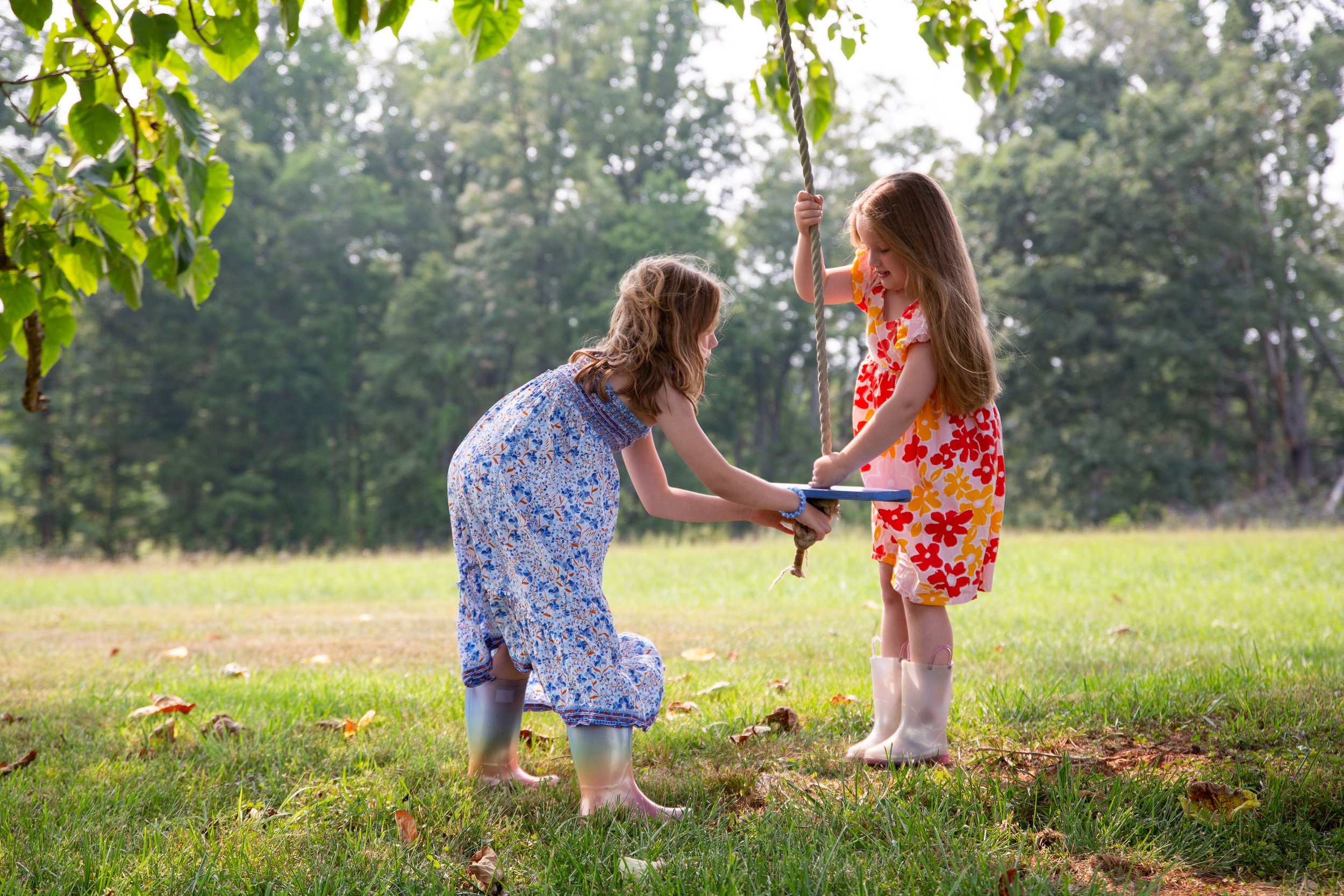
Here’s a spontaneous moment, undirected and unposed, taken during a documentary session.
The Biggest Differences at a Glance
Posed family photography
Structured and directed
Camera-aware
Focused on polished portraits
Predictable outcomes
Documentary family photography
Observational and unscripted
Emotion-driven
Focused on storytelling
Unrepeatable, one-of-a-kind moments
Neither approach is “better.” They simply serve different purposes. You might think of a traditional portrait as conveying “how we look” at this moment in time; and a documentary photograph as conveying “how we are” at this moment in time.
Can a Session Include Both Documentary and Posed Moments?
Yes—and this is where many families find the best of both worlds.
In my sessions, I often combine:
Lightly directed portraits (for those classic images)
Candid documentary moments (for authenticity and story)
This hybrid approach allows families to have:
A few images perfect for framing
A larger collection that reflects how life really feels
Especially for families with children, this balance creates a more relaxed experience. We capture what matters most without forcing every moment into a pose.
Which Style Is Right for Your Family?
Choosing between documentary and posed photography isn’t about trends—it’s about fit.
Documentary photography may be right for you if:
Your children are active, shy, or camera-averse
You value authenticity over perfection
You want to remember everyday life, not just milestones
You’re drawn to images that feel emotional and layered
Posed photography may be right for you if:
You want a small number of polished portraits
You prefer clear direction
You’re focused on specific deliverables (cards, gifts, announcements)
Many families discover that their needs change over time. What feels right one year may shift the next—which is why I have developed my skills at both approaches. In a traditional posed session, I provide a comfortable, quick, reliably lovely set of portraits. In a documentary session, I am a patient and careful observer bringing all my intuition to bear to make intriguing photos as the action unfolds around me.
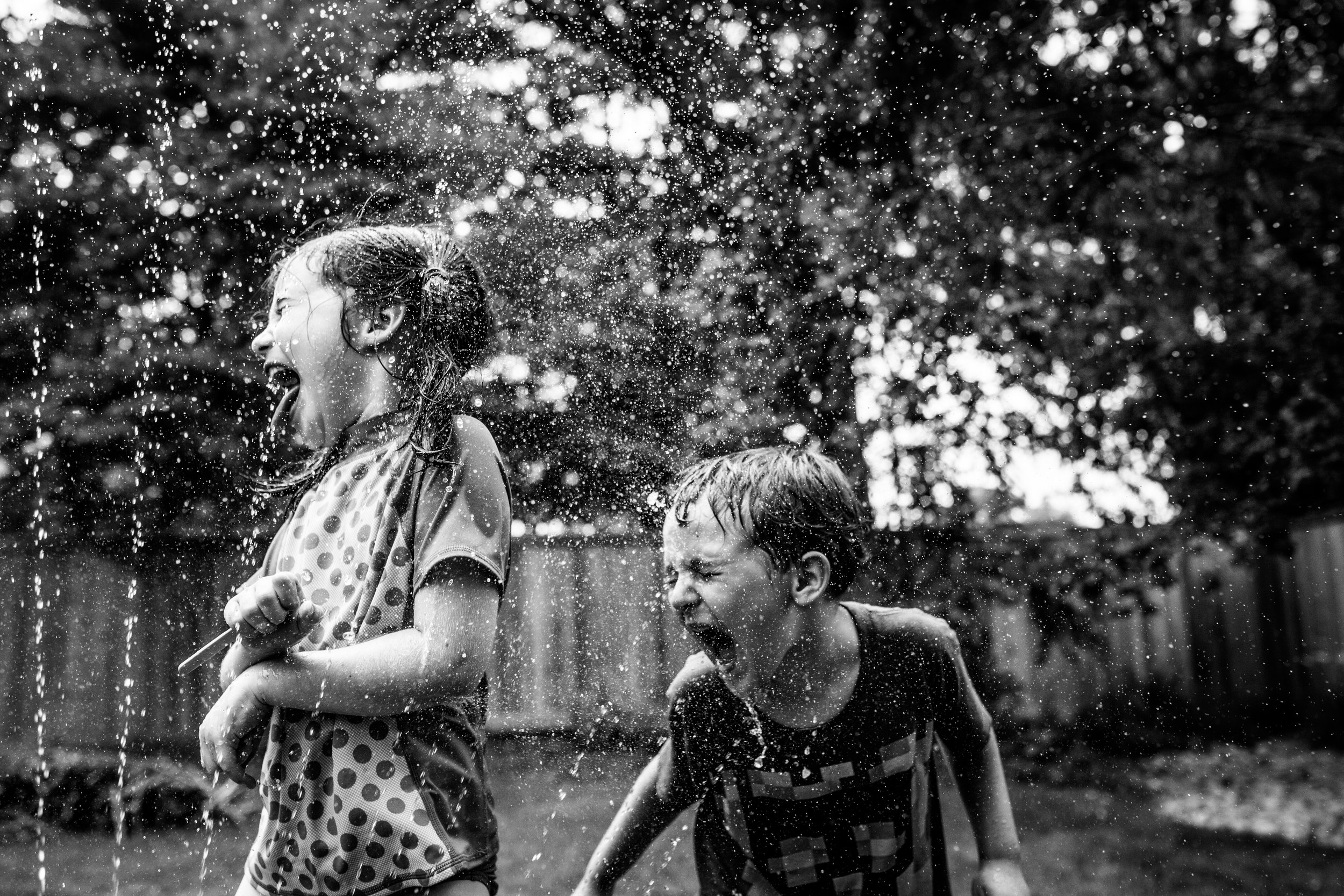
A completely undirected moment in an afternoon of hanging out with a family documenting a summer day. (Yes, I got wet too!)
A Note on Children, Comfort, and Trust
One of the biggest advantages of documentary photography—especially for families with young children, neurodivergent children, or children with special needs—is the lack of pressure.
Children don’t need to perform.
They don’t need to smile on cue.
They don’t need to interact with a stranger giving constant instructions.
Instead, they are allowed to be themselves.
Over time, familiarity builds trust. Sessions become easier. The photographs become more honest. This is one reason many families choose an ongoing photography relationship rather than a single annual session.
How These Approaches Shape Your Memories
When you look back at your family photographs years from now, what do you want to remember?
How everyone looked?
Or how life felt?
Posed portraits preserve appearances beautifully.
Documentary photographs preserve experiences beautifully.
For many families, the most meaningful collections include both. If you’re used to one type of session, try out the other and see how it feels!
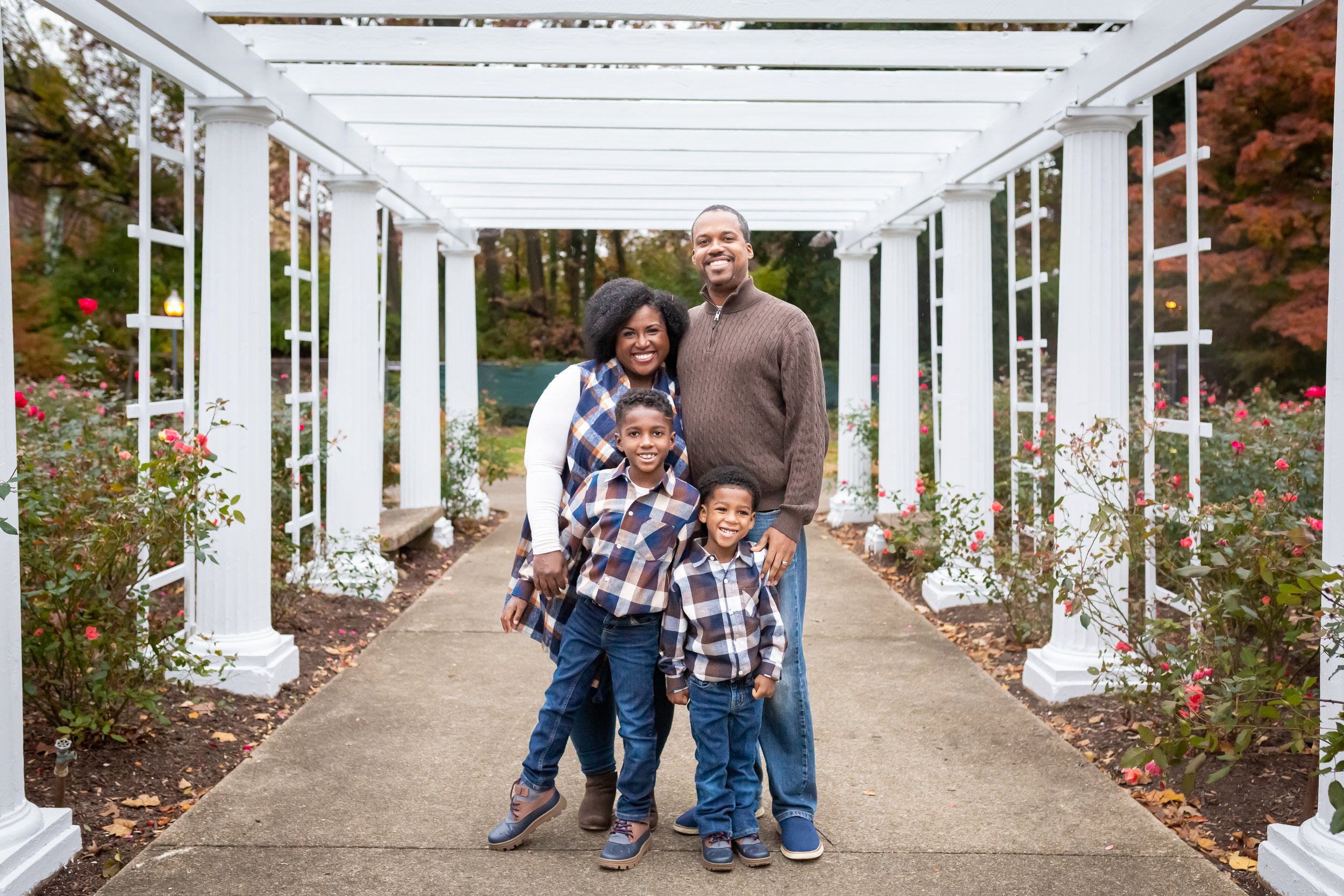
This is a posed portrait made during a ten-minute mini session - quick, easy, fun, and a gorgeous outcome!
Final Thoughts
Understanding the difference between documentary and posed family photography empowers you to choose photography that aligns with your values—not just your expectations.
If you’re curious about how a documentary or hybrid session might work for your family, or how ongoing photography can deepen the story over time, I’m always happy to talk it through.
Family photography doesn’t have to be a performance.
Sometimes, the most powerful images come from simply letting life unfold.